
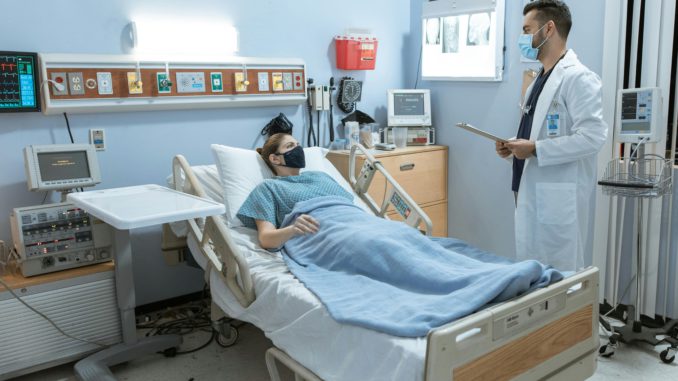
Specialist medical clinics provide a wide range of healthcare services designed to support diagnosis, treatment, and ongoing management of various conditions. Advanced diagnostic tools, including an mri scan, are commonly used to create detailed images of organs, soft tissues, and joints. These scans help specialists investigate injuries, neurological conditions, and other complex health concerns that may require more detailed assessment than standard imaging methods.
Another frequently used diagnostic tool is xray imaging, which helps healthcare professionals identify fractures, chest conditions, joint issues, and other abnormalities. Specialist clinics often combine different imaging techniques depending on the symptoms being investigated, ensuring patients receive accurate assessments that support timely treatment decisions.
One of the primary functions of specialist clinics is diagnosis. Patients are commonly referred by general practitioners for further evaluation when symptoms require expert assessment. Clinics focusing on areas such as orthopaedics, cardiology, neurology, and gastroenterology use targeted testing and consultations to identify underlying conditions.
Diagnostic imaging services are a major component of many specialist facilities. In addition to MRI and X-ray technology, clinics may offer ultrasound, CT scans, bone density testing, and interventional imaging procedures. These services help healthcare providers gain a clearer understanding of internal structures and monitor disease progression or recovery.
Consultations with medical specialists are another important service. During these appointments, patients discuss symptoms, medical history, and treatment options with professionals who have expertise in specific areas of medicine. Specialist consultations often contribute to more personalised care plans based on individual needs.
Preventative healthcare is increasingly becoming part of specialist medical services. Some clinics provide screening programs aimed at identifying health risks before symptoms develop. Early detection can improve treatment outcomes for conditions including cardiovascular disease, osteoporosis, and certain cancers.
Chronic disease management also forms a significant part of specialist care. Individuals living with long-term conditions may require ongoing monitoring, medication adjustments, and regular assessments to maintain health and manage symptoms effectively. Specialist clinics often coordinate with general practitioners to support continuity of care.
Interventional procedures are available in some specialist settings as well. These may include minimally invasive treatments guided by imaging technology, reducing the need for more extensive surgical interventions in certain cases. Advances in medical technology continue to expand treatment options within outpatient environments.
Rehabilitation services may also be offered depending on the clinic’s focus. Patients recovering from injury, surgery, or illness sometimes receive support through physiotherapy, pain management, or specialised recovery programs designed to improve function and mobility.
Technology has influenced how specialist clinics deliver healthcare. Digital records, telehealth consultations, and advanced imaging systems help improve efficiency while increasing access to care for patients in regional or remote areas. Telehealth has become particularly valuable for follow-up appointments and specialist advice where travel may be difficult.
Patient education is another important aspect of specialist services. Clinics often provide information about conditions, treatment options, and lifestyle factors that may influence recovery or long-term health outcomes. Understanding treatment plans can help patients make informed decisions about their care.
Overall, specialist medical clinics play an important role in modern healthcare by combining advanced diagnostics, expert consultations, and ongoing management services. Their focus on targeted assessment and treatment supports earlier diagnosis, more accurate care planning, and improved patient outcomes across a wide range of medical conditions.